
Configuring core enterprise apps shouldn’t feel like a never-ending maze of spreadsheets, manual checks, and late-night fixes. Yet, for most teams, it still does lead to delays, configuration drift, and compliance risks that quietly snowball over time. And when your business runs dozens of interconnected systems, even a small misalignment can create massive ripple effects.
That’s where Opkey’s Config Agent changes everything. It gives you real-time visibility and automated validation across every app and environment—so configurations stay consistent, compliant, and in sync with your business. No surprises. No drift. Just confidence that your systems are working exactly as they should.
Get started—eliminate drift and defects now.









Configuration drift quietly undermines your business—misaligning DEV, TEST, and PROD through manual changes, disconnected tools, and poor visibility. As you scale, compliance risk and hidden defects escalate, while managed services fail to provide real control.
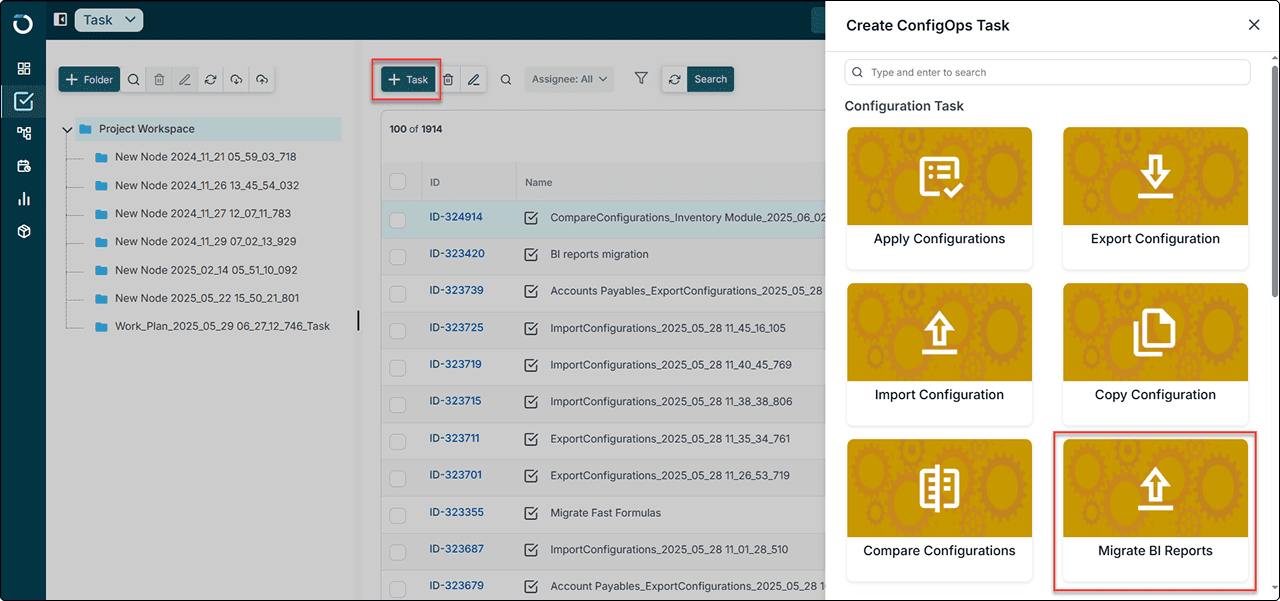


Forget rework, confusion, and compliance headaches. Opkey’s Configuration Agent replaces risk-prone manual management with audit-friendly, automation-driven configuration drift management tools. Whether for implementation, updates, or daily operations, Opkey keeps your production, test, and development environments in sync. No more surprises, no more drift, no more sleepless nights.
The bottom line? Opkey helps standardize, automate, and validate configuration—at scale, with unmatched control.
Take back control and master configuration drift with Opkey Configuration Agent.

Configuration drift happens when environments like DEV, TEST, and PROD slowly become misaligned due to manual updates, inconsistent processes, or missing governance. If you’re wondering what is configuration drift in enterprise systems, it refers to any unintentional deviation that impacts stability, compliance, or deployment quality.
A common example of configuration drift occurs when a change is applied in the TEST environment but never replicated in PROD. Over time, these inconsistencies create defects, failed deployments, and compliance gaps—showing why strong configuration drift management is essential.
To prevent configuration drift, organizations must automate environment comparisons, track changes centrally, and use configuration drift management tools that offer audit trails, versioning, and validation. Automated pipelines ensure all changes are synchronized across environments.
In DevOps, configuration drift refers to unintended differences between infrastructure or application environments caused by manual edits or untracked changes. Effective configuration drift management helps DevOps teams maintain stability, repeatability, and compliance across rapid deployments.
Drift in infrastructure describes the unexpected divergence between desired configuration states and actual system states. Infrastructure drift leads to reliability issues, failed automation scripts, and audit risks, which is why teams rely on configuration drift management tools to continuously detect and correct misalignment.
Configuration drift management tools give enterprises real-time visibility into every configuration change. They automate drift detection, enforce governance, and generate complete configuration histories—eliminating manual effort and reducing risk across implementation, updates, and daily operations.