
Trusted by world-class enterprises








From payroll anxiety to security drift — these are the daily realities of every HRIS team managing Workday.
weekly updates plus 2 major releases per year. Your HRIS team is in a perpetual cycle of validating changes — and every one risks breaking payroll, benefits, or security roles.
of workers say payroll errors create turnover risk. One miscalculated deduction, one wrong tax withholding — and you're on the phone with 50 angry employees instead of doing strategic HR work.
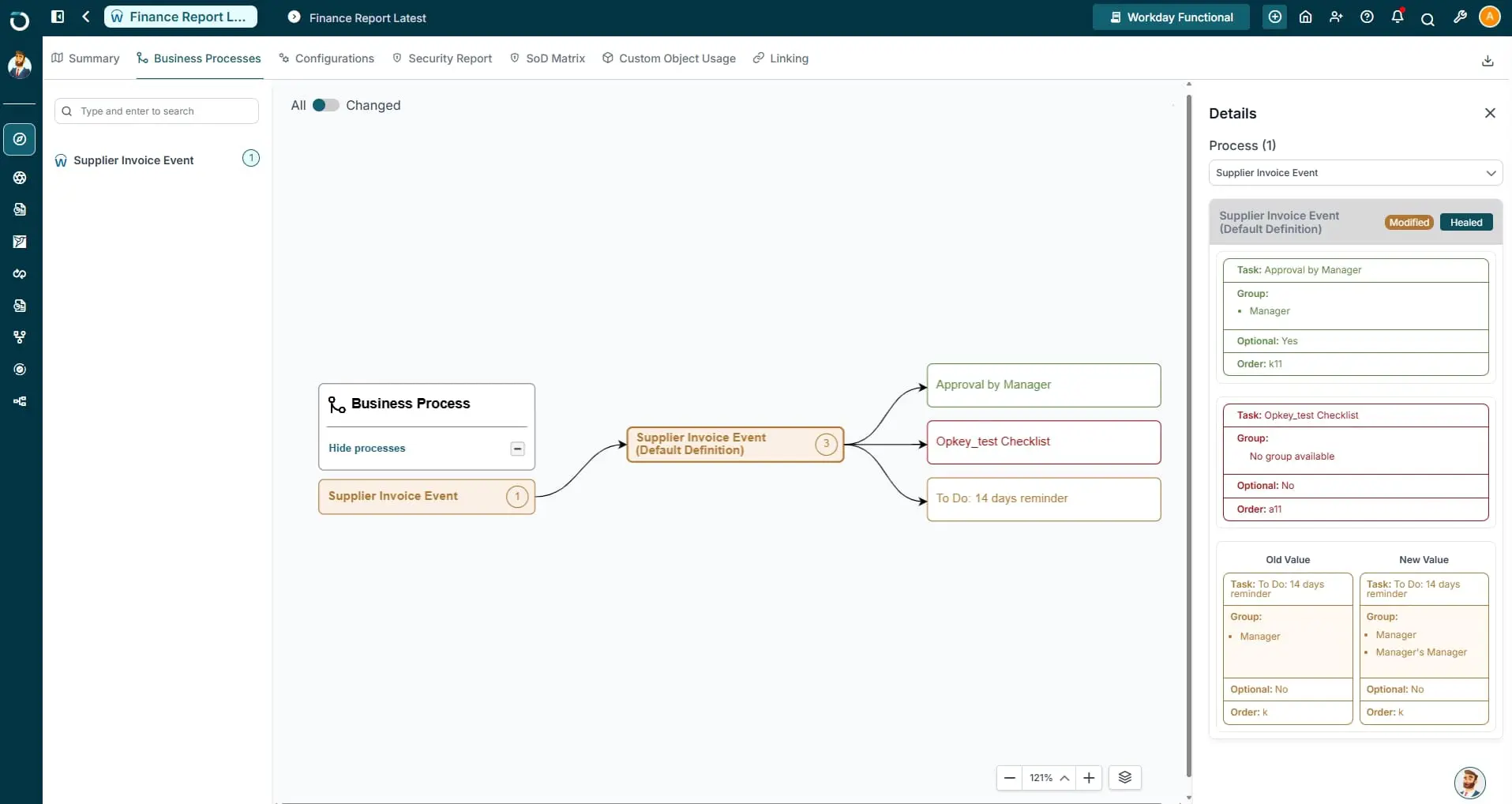
Someone modified a domain security policy in sandbox last sprint. It was never migrated to production. Now an auditor is asking why a recruiter has access to compensation data.
Every open enrollment is a high-wire act. Plan configurations, eligibility rules, carrier feeds — one missed validation and employees end up on the wrong medical plan.
current process guides. Your Workday processes were documented during implementation. Since then, 4 releases, 6 config changes, and a reorg happened. New HRIS analysts are learning by asking around.
spent annually on manual testing, payroll rework, and extended release cycles. Every untested weekly update, every stale training doc, every SOD violation discovered at audit compounds into real cost.
weekly updates plus 2 major releases per year. Your HRIS team is in a perpetual cycle of validating changes — and every one risks breaking payroll, benefits, or security roles.
of workers say payroll errors create turnover risk. One miscalculated deduction, one wrong tax withholding — and you're on the phone with 50 angry employees instead of doing strategic HR work.
Someone modified a domain security policy in sandbox last sprint. It was never migrated to production. Now an auditor is asking why a recruiter has access to compensation data.
Every open enrollment is a high-wire act. Plan configurations, eligibility rules, carrier feeds — one missed validation and employees end up on the wrong medical plan.
current process guides. Your Workday processes were documented during implementation. Since then, 4 releases, 6 config changes, and a reorg happened. New HRIS analysts are learning by asking around.
spent annually on manual testing, payroll rework, and extended release cycles. Every untested weekly update, every stale training doc, every SOD violation discovered at audit compounds into real cost.
 Case Study
"Open enrollment used to generate hundreds of HR tickets.With Opkey's auto-generated guides, employees self-serve and tickets dropped 80%."

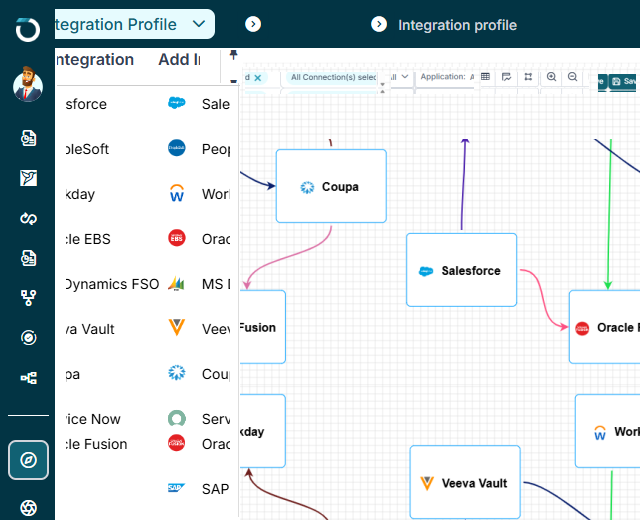
Everything you need to know about managing Workday with Opkey.
Talk to an expert about your Workday lifecycle challenges.
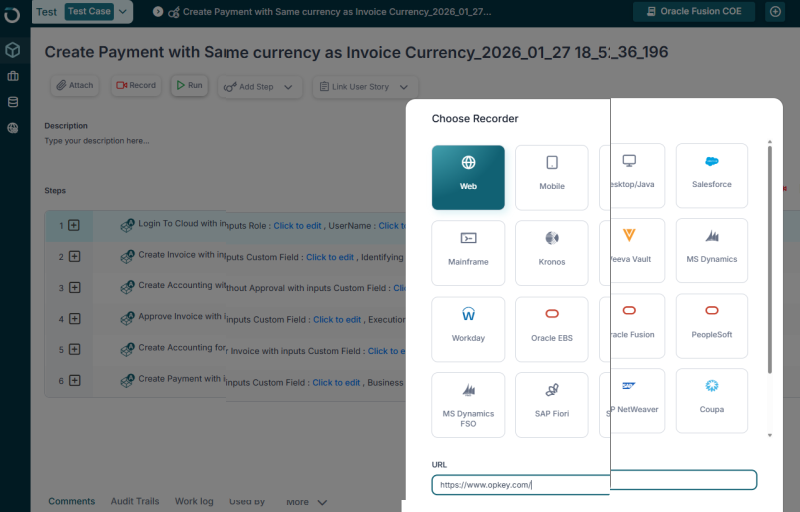
Talk to an expert →Opkey is a complete Workday lifecycle platform powered by AI Agents, purpose-built for Workday testing and Workday test automation. It provides end-to-end Workday test automation with 4,000+ pre-built Workday test cases, making Workday testing faster and more reliable. Opkey also delivers auto-generated training and in-app user guidance, security and configuration management, and process discovery; all designed to simplify Workday testing across your entire lifecycle.
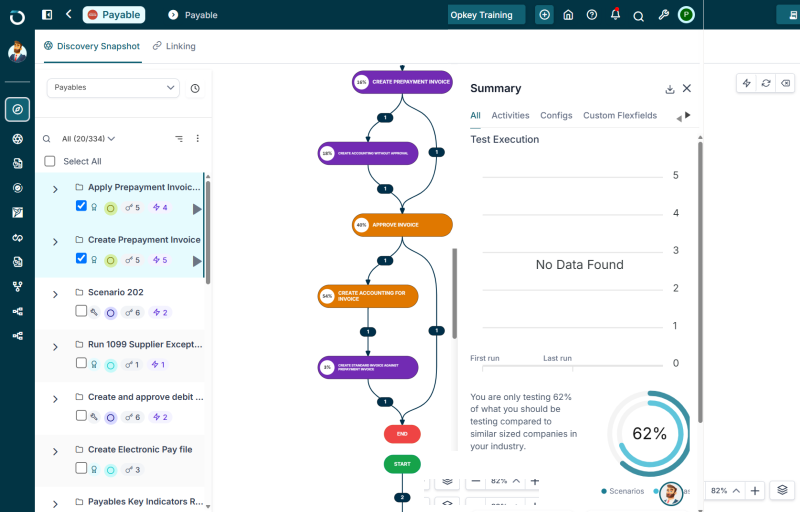
The Impact Analysis Agent pre-analyzes Workday release notes, maps changes to YOUR tenant configuration, and auto-generates targeted regression test suites. Self-healing scripts adapt to UI changes automatically. The Training Agent simultaneously updates all affected user documentation.
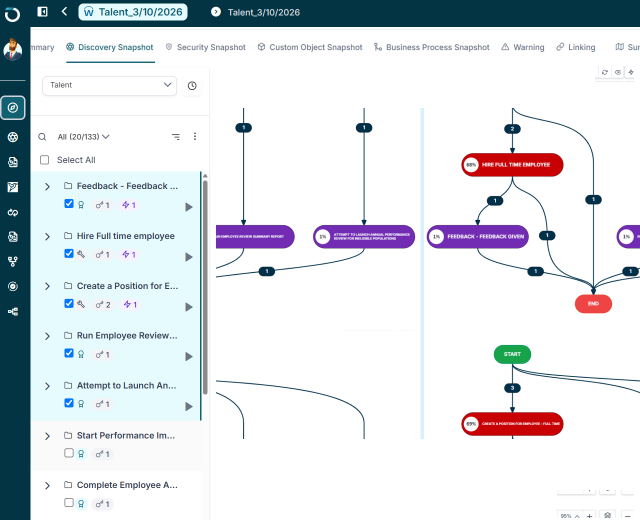
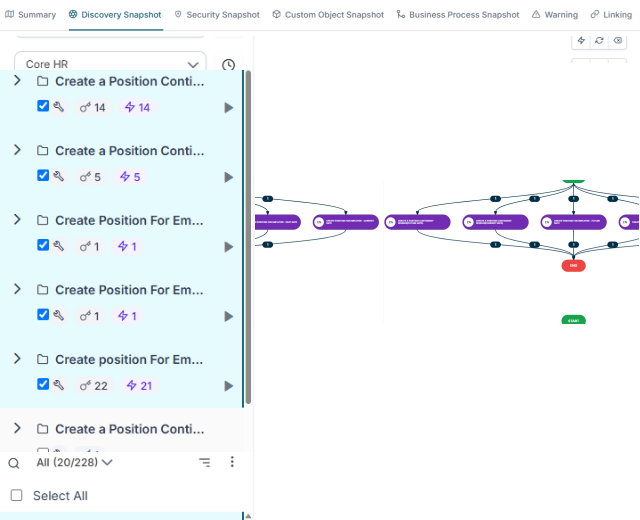
No. While Workday testing and Workday automation are Opkey's #1 capabilities, the platform goes far beyond. It covers training (auto-generated guides, in-app Nav-Assist) to support Workday automation adoption, configuration management (security role monitoring, SOD compliance) to keep your Workday testing environments stable, and process discovery (usage analytics, adoption metrics) to identify Workday testing gaps, making Opkey a complete Workday automation and testing platform.
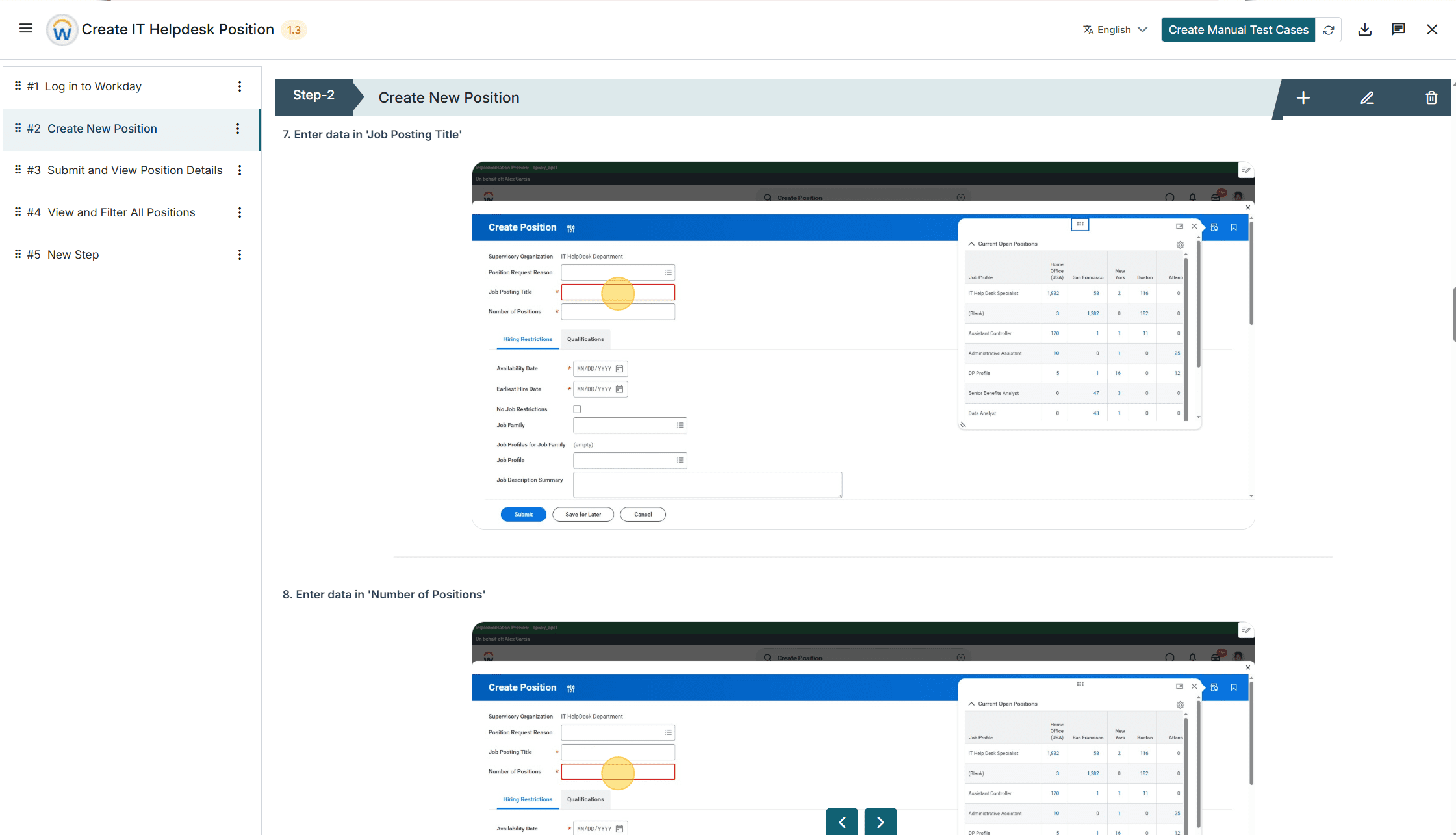
The Training Agent connects to your live Workday tenant, captures actual screen layouts and workflows, and generates role-based training guides — step-by-step walkthroughs, in-app tooltips, and process documentation. When Workday releases updates, training docs update automatically.
Yes. Opkey provides pre-payroll validation that catches calculation errors, missing deductions, tax withholding issues, and third-party integration failures before every pay period. This ensures 99.9% payroll accuracy.
Opkey covers all major Workday modules: HCM (Core HR, Recruiting, Talent, Compensation), Payroll (including tax compliance), Benefits (open enrollment, life events, carrier feeds), Financials (GL, AP, Expenses), Adaptive Planning, and all integration types.
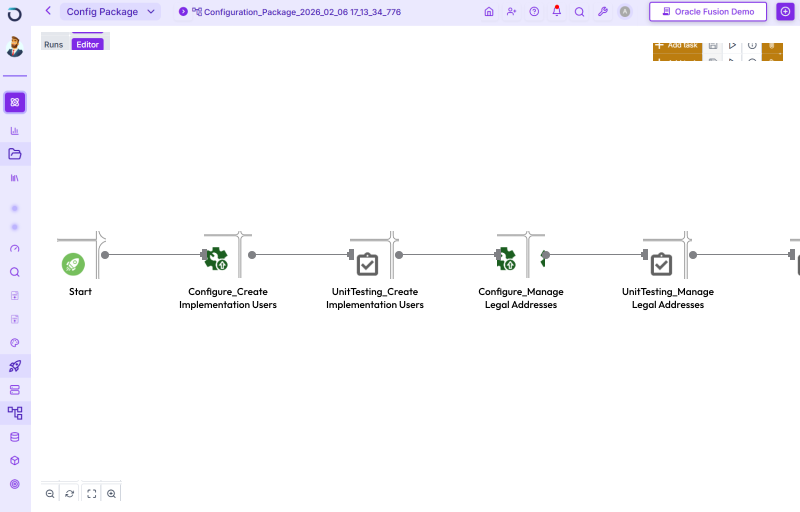
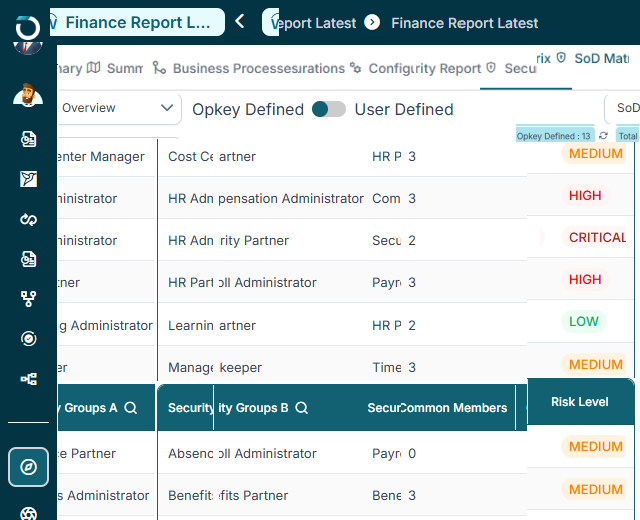
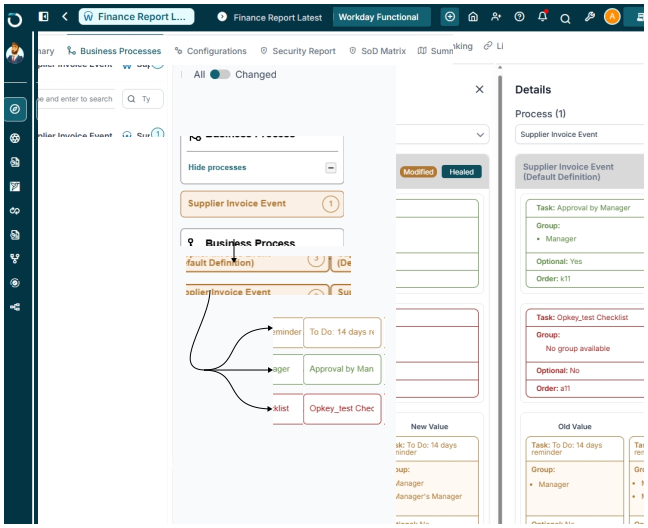
The Config Agent monitors Workday security roles and domain policies continuously, alerting you when changes occur. It identifies SOD conflicts across business processes, compares sandbox vs. production configurations, and generates audit-ready compliance documentation.
Workday customers typically see 80% less testing effort, 60% fewer support tickets via auto-generated training, bi-annual release certification in 3 days instead of weeks, and complete SOD visibility. The platform pays for itself within the first release cycle.


